Vegan and Plant-Based Italian Menu in San Diego
Vegan and Plant-Based Italian Menu in San Diego
Explore Civico 1845’s dedicated plant-based Italian menu, pasta highlights, dietary notes, reservations, and ordering guidance.
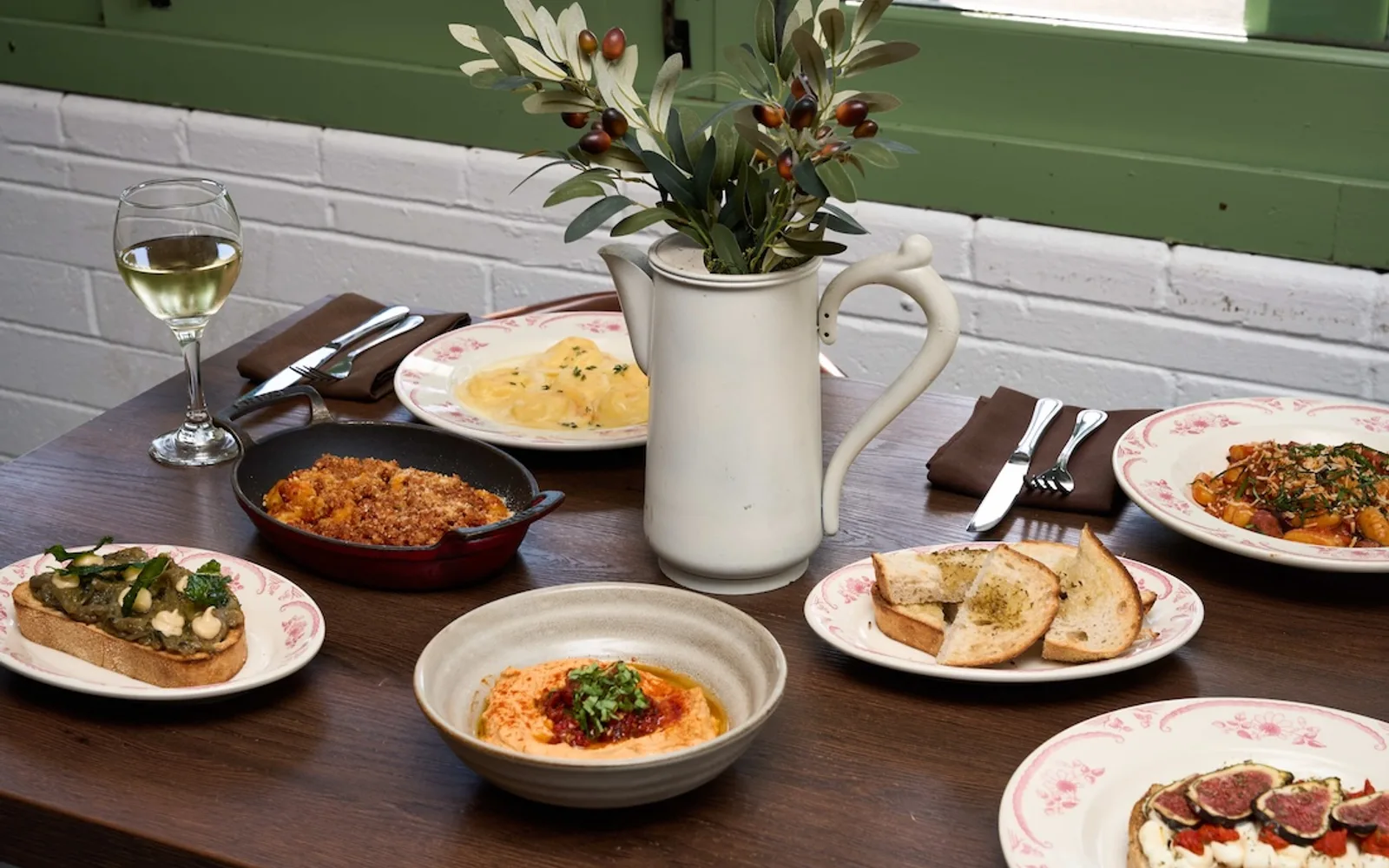
Civico 1845’s dedicated plant-based menu brings Southern Italian cooking to San Diego’s Little Italy, with handmade pasta, slow-cooked sauces and Calabrian seasoning.
This guide highlights the plant-based dishes and practical details that can help guests plan a visit. Menus can change, so guests with allergies or strict dietary requirements should confirm current ingredients and preparation with the restaurant team when ordering.
Plant-Based Pasta at the Center of the Menu
Pasta is central to the experience at Civico 1845. Different shapes are paired with sauces and garnishes that suit their texture, from ridged pasta that holds a robust tomato sauce to broad ribbons suited to mushrooms and herbs. Plant-based cheeses, vegetables, legumes, nuts, and carefully seasoned sauces provide richness without relying on meat or dairy.
Rigatoni Puttanesca
Rigatoni is paired with the bold Southern Italian flavors of tomato, olives, capers, parsley, garlic breadcrumbs, and Calabrian chile. The ridged pasta gives the sauce and garnishes plenty of surface to cling to, creating a savory, briny, and gently spicy dish.
Pappardelle ai Funghi
Wide ribbons of pappardelle provide a soft, substantial base for mushrooms, garlic, herbs, and a plant-based finishing cheese. The result is an earthy and comforting pasta that shows how texture and careful seasoning can create depth without dairy.
Gnocchi del Sud
Soft gnocchi are served with a Southern Italian combination of eggplant, tomato, plant-based sausage, and plant-based mozzarella. The dish leans into the familiar comfort of baked and sauced Italian cooking while remaining entirely plant based.
Plant-Based Lasagna
Lasagna layers pasta with plant-based ragù and béchamel-style sauce. It keeps the contrast that makes lasagna satisfying—tender pasta, a savory filling, creamy sauce, and a baked finish—while using plant-based ingredients throughout.
Gluten-Free Pasta
A gluten-free pasta option may be available for guests who avoid gluten. Because recipes, shared equipment, and preparation practices can change, guests with celiac disease or serious allergies should discuss their needs with the restaurant before ordering.
How Traditional Italian Dishes Become Plant Based
A sauce needs body, acidity, salt, aroma, and a satisfying finish. Baked pasta needs contrasting layers. A mushroom dish benefits from browning, garlic, herbs, and a pasta shape that carries the sauce.
The kitchen builds flavor through tomatoes, mushrooms, eggplant, olives, capers, chile, herbs, breadcrumbs, plant-based cheeses, and cooking technique.
Starting and Finishing the Meal
Plant-based antipasti offer a useful way to share several flavors before the pasta course. Tomato, herbs, vegetables, olives, and spreads can bring freshness and acidity to the table. Availability changes with the menu, so the team can point guests toward the current plant-based starters.
Dessert selections can also change. Guests looking for a fully plant-based finish should ask which current desserts meet their dietary needs rather than relying on an older menu listing.
Wine and Beverage Pairing
Plant-based pasta pairs with wine in much the same way as any Italian dish: match the wine to the sauce and dominant flavors. A crisp, mineral-driven white can complement herbs, vegetables, and lighter sauces. A light- to medium-bodied red can work well with tomato, mushrooms, and Calabrian chile without overwhelming the dish.
The restaurant team can recommend current by-the-glass and bottle options based on the dishes being ordered. Guests who require vegan-certified wine should ask for confirmation, because winemaking and fining methods vary by producer.
Planning a Visit
Review the current menu before your visit. Reservations are helpful for weekend dinners, celebrations, and larger parties. Check table availability through Resy. For takeout, check the current online ordering options.
For the smoothest experience, include dietary notes with the reservation and repeat them to the server. This gives the team an opportunity to explain current ingredients, possible modifications, and any cross-contact considerations.
Frequently Asked Questions
Is Civico 1845’s plant-based menu fully vegan?
The dishes identified as plant based are designed without meat or dairy ingredients. Guests with strict requirements should still confirm the current recipe and preparation details with the restaurant.
Are gluten-free choices available?
Gluten-free pasta may be available. Guests with celiac disease or serious allergies should ask about ingredients, shared equipment, and cross-contact before ordering.
Do I need a reservation?
Walk-ins may be possible, but reservations are recommended for popular dining times, weekends, special occasions, and groups.
Can plant-based dishes be ordered for pickup?
Availability can vary. Check the current online-ordering menu through the Civico 1845 website for the dishes and pickup options offered that day.
What should first-time guests order?
A shared plant-based starter followed by one or two contrasting pasta dishes is a useful introduction. For example, guests might combine a bright tomato-and-chile pasta with a mushroom-based dish, then ask the team about the current plant-based dessert selection.
A Calabrian Approach to Plant-Based Italian Dining
Read about Calabria’s long plant-based cooking tradition.
Explore related Civico guides
Continue with the current menu, allergen guide, vegetarian guide, gluten-free guide, wine and cocktails guide, Little Italy dining guide, or reservations guide.