Plant-Based Is Not a Trend. In Calabria, It Has Always Been the Point.
Plant-Based Is Not a Trend. In Calabria, It Has Always Been the Point.
Calabria's plant-based cooking is not a modern trend. It is an old Southern Italian way of eating built from vegetables, legumes, herbs, olive oil, and the discipline of cooking with the season.
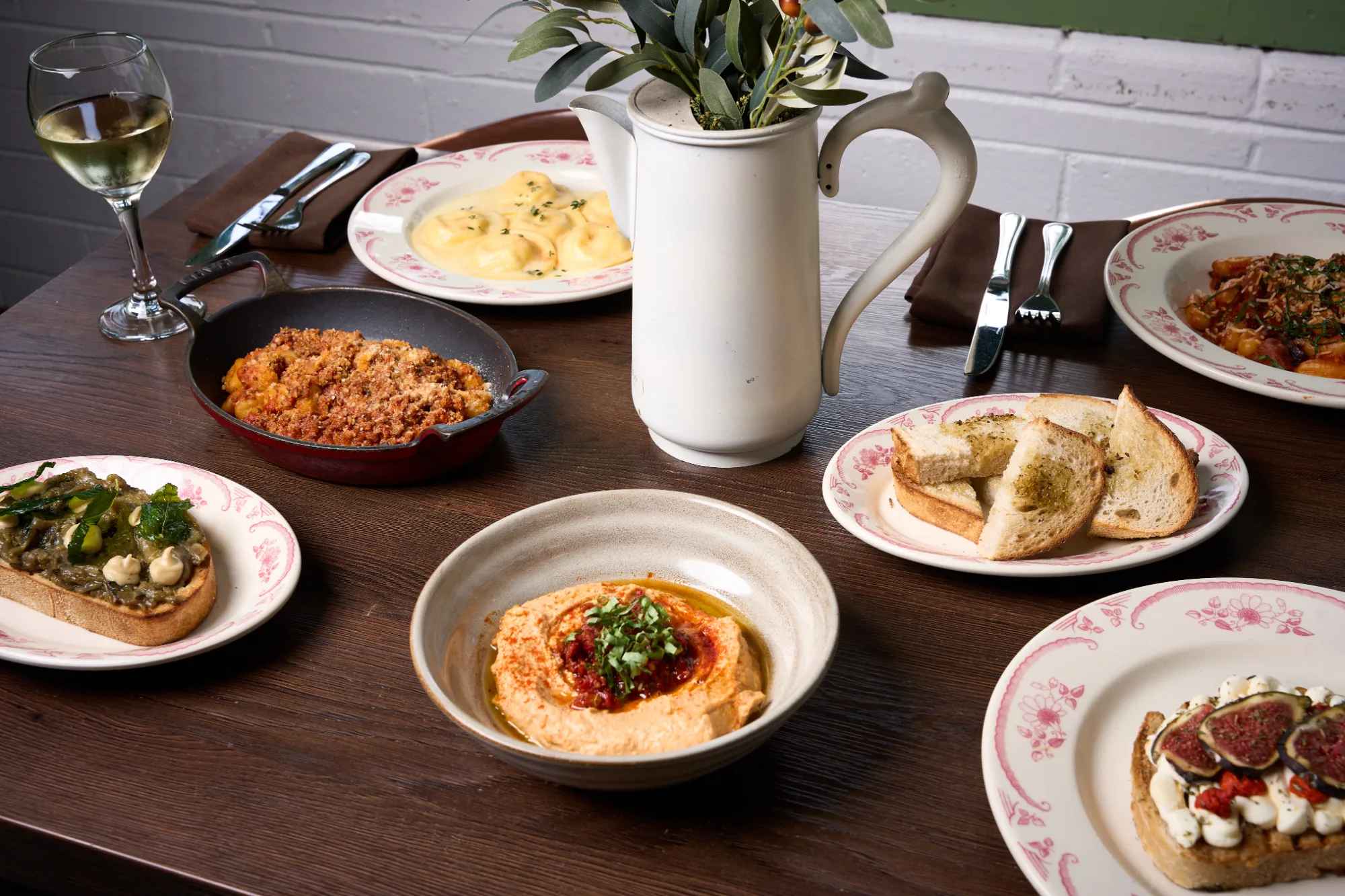
For generations, Calabrian kitchens have built meals around vegetables, beans, wild greens, tomatoes, bread, pasta, herbs, and olive oil.
Long before plant-based menus became a restaurant category, Calabrian families were cooking from the land first: simmering legumes, preserving vegetables, drying peppers, stretching pasta dough, and building flavor from garlic, chili, oregano, basil, capers, olives, and good oil.
A Southern Italian Tradition Built From Necessity
Calabria's plant-based cuisine grew from geography and economy as much as taste. The region's mountains, coastline, farms, and small villages produced a cuisine that learned to waste little and season boldly. Meat appeared, but not as the daily foundation of the table. Vegetables, grains, pulses, and preserved foods carried the rhythm of everyday cooking.
Cucina povera is resourceful cooking. A pot of chickpeas could become a meal with pasta. Stale bread could become a thickener, a topping, or a soup. Eggplant, peppers, tomatoes, onions, and greens could become something deep and complete through slow cooking and careful seasoning.
Traditional Plant-Based Dishes in Calabria
Traditional Calabrian vegetarian dishes include pasta with beans, lagane e cicciari, peppers fried or preserved, eggplant cooked until silky, potatoes and peppers, tomato sauces sharpened with chili, and bitter greens finished with olive oil.
Many dishes begin with the same quiet logic. Start with what is seasonal. Add a strong base of olive oil, garlic, or onion. Use herbs for lift, chili for heat, and time for depth. The result is food that feels rustic, but never flat.
Why the Mediterranean Diet Feels Natural Here
The Mediterranean diet is often described through nutrition, but in Calabria it is better understood as a pattern of life. Meals follow the harvest. Vegetables and legumes appear often. Olive oil is the main fat. Pasta and bread are used with purpose. Herbs, citrus, and chili bring brightness without heaviness.
The Ingredients That Define the Style
Calabrian plant-based cooking depends on a small set of ingredients used with precision. Tomatoes bring sweetness and acidity. Eggplant brings body. Beans and chickpeas bring substance. Bitter greens add contrast. Tropea-style red onions and other sweet onions build depth. Olives, capers, and preserved vegetables add salt and complexity.
Chili adds warmth and color to beans and greens.
How Civico 1845 Carries That Idea Forward
Civico 1845 serves its plant-based menu alongside its traditional Calabrian menu.
Explore the guide to Calabrian cuisine and the current plant-based menu.