How We Make Homemade Pasta at Civico 1845
How We Make Homemade Pasta at Civico 1845
A closer look at how pasta shape, sauce, seasoning, and texture work together at Civico 1845.
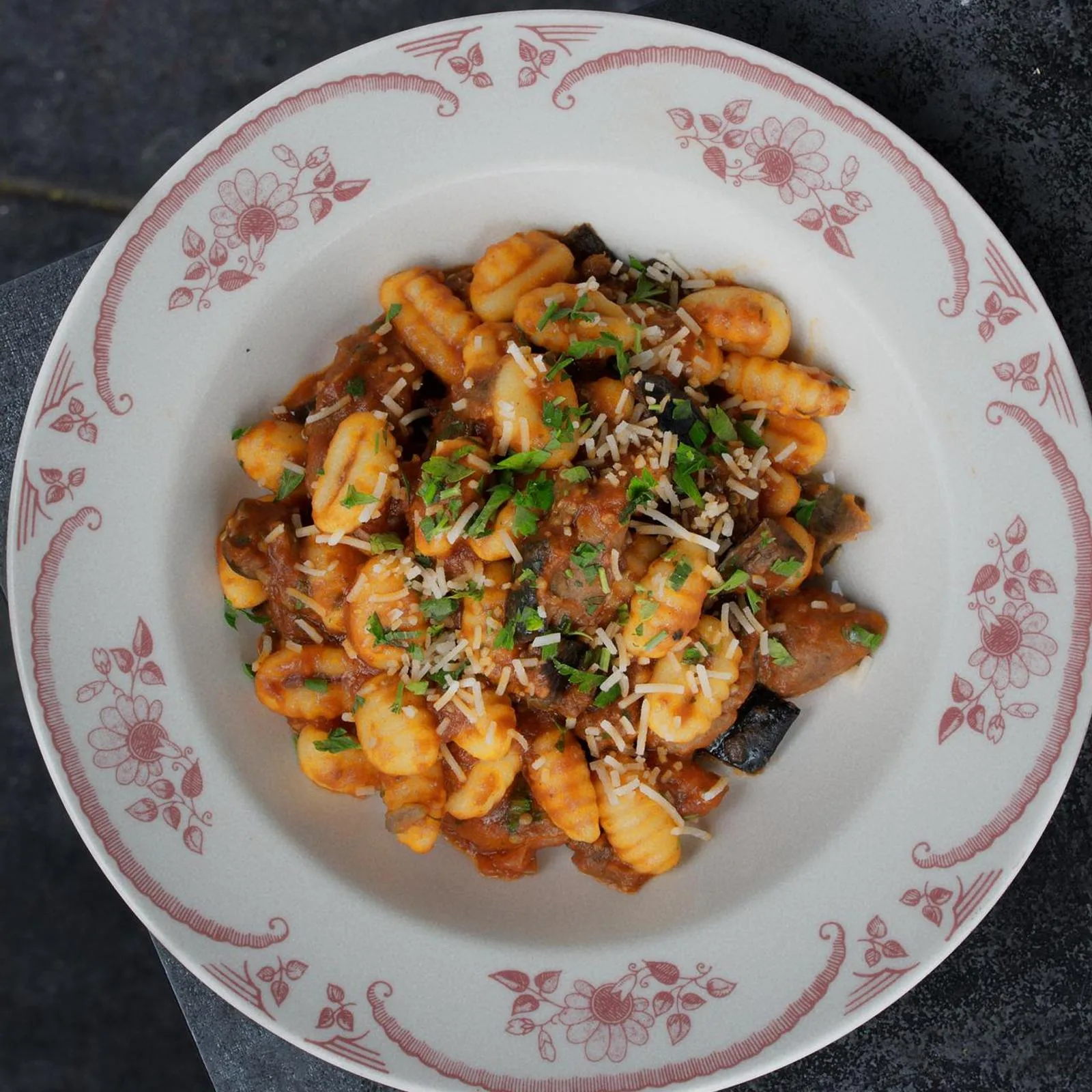
At Civico 1845 in Little Italy, San Diego, we match handmade pasta with the sauce it will carry. The dough, shape and seasoning all affect the texture of the finished dish.
Explore the current pasta selection or reserve a table through Resy.
Dough, shape, and sauce work together
The dough needs enough structure to hold its shape during cooking and retain a satisfying bite. We choose the sauce and finish to suit that shape.
Before pasta arrives, many guests begin with shared plates.
Why shape changes the way a dish eats
Shape determines how sauce clings, how much sauce reaches each bite, and how the pasta feels on the plate. Broad ribbons can carry a substantial ragù or a mushroom sauce. Hollow or ridged shapes catch smaller pieces and thicker sauces. Sheets create layers, while softer dumpling-style pasta brings a different texture altogether.
What “homemade” means on the current menu
Our Pappardelle Brasato pairs homemade pappardelle with slow-cooked short-rib ragù. Rigatoni Giancaleone uses homemade rigatoni with San Marzano tomato and ricotta sauce. Our plant-based choices include hand-cut Pappardelle ai Funghi, homemade gnocchi and homemade lasagna.
See the current menu for the full selection.
Pappardelle as a clear example
Pappardelle’s wide ribbons have enough surface area for a slow-cooked ragù. The same shape can also carry mushrooms, garlic, herbs and a plant-based finish.
Calabrian flavor in the pasta course
Tomato, chile, garlic, olive oil, seafood, vegetables and slow-cooked sauces are part of the Calabrian pantry we use in our pasta dishes.
These ingredients reflect the Southern Italian food Pietro and Dario Gallo grew up with. Pietro Gallo’s cooking was shaped by his mother’s kitchen in Calabria.
How the kitchen builds a balanced pasta plate
- The pasta must hold its shape through cooking and retain a satisfying bite.
- We match the sauce to the shape. Width, ridges, hollows, curves and layers affect how much sauce reaches each bite.
- We finish pasta and sauce together so the seasoning coats the pasta.
- We use enough sauce to complete the dish while keeping the pasta’s texture distinct.
Plant-based pasta follows the same logic
We give our plant-based pasta the same attention to shape, texture and sauce as the traditional menu.
Pappardelle ai Funghi combines hand-cut pasta with sautéed wild mushrooms, garlic, vegan Parmigiano and garden herbs. You can also find homemade gnocchi and lasagna on our plant-based menu.
Guests with allergies or other dietary requirements should review the restaurant's allergen and dietary guidance and speak directly with the team when ordering. “Plant-based” and “gluten-free” are not interchangeable, and a dish should never be assumed to meet a medical dietary need without confirmation.
Planning a pasta dinner in Little Italy
We’re on India Street in Little Italy, San Diego. If you’re planning dinner near the Embarcadero or a romantic date night, check table availability through our reservation form.
For a shared meal, begin with antipasti and choose pasta dishes with different textures or sauces. Ask the team for recommendations if you need help choosing.
Frequently asked questions
Does Civico 1845 make pasta in-house?
Yes. Our homemade and hand-cut choices include pappardelle, rigatoni, gnocchi and lasagna.
Why does pasta shape matter?
Width, texture, ridges, hollows and layers determine how a shape holds sauce and how the finished dish feels.
Does Civico 1845 offer plant-based pasta?
Yes. The restaurant maintains a dedicated plant-based menu with pasta preparations. Review that menu for current dishes and speak with the team about allergies or other dietary requirements.
What is the best way to try several pasta styles?
For a group, choose dishes with contrasting shapes and sauces and share them after an antipasti course. For a smaller party, ask the team which pasta matches your preferred flavors and dietary needs.
Chef Pietro Gallo on the technique behind the pasta
Chef Pietro Gallo explains that we finish pasta and sauce together. This Italian technique, mantecatura, lets the sauce coat the pasta so each bite carries both.
For Pappardelle Brasato, we marinate the short rib the night before, then cook it slowly for roughly nine to ten hours. The meat, tomato sauce and cooking juices develop together. The dish has been on our menu since 2015.
“We marinate the short rib the night before … and the day after we cook it for about nine to ten hours.” — Chef Pietro Gallo
See the current menu, read our interview with Chef Pietro Gallo, or use the first-visit guide to choose your meal.